
BLOG
Notes on owning your agent runtime.

One key, every client: the quiet risk inside your automation server
Everyone is admin, one key opens every workflow, and client data shares one server. How to apply least privilege to AI agents, with a checklist.
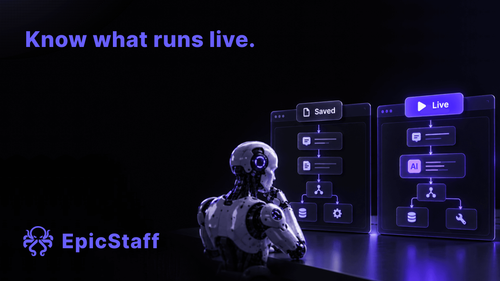
What runs live is not what you tested
Saved is not live, and a test is not production. Why an agent workflow needs versions, a run-to-version record and a deliberate step to live.
Why a small AI agent pilot takes months to approve
Reviewers of an AI agent pilot ask the same few questions. A pilot that answers them on day one gets a yes sooner. Here is the one-page pack.
Connecting an AI agent to your systems is easy. Owning the connection is not.
Connecting an AI agent to your ERP, CRM or ticket system is the easy part. Owning it is harder: who repairs it, where keys live, what it may reach.
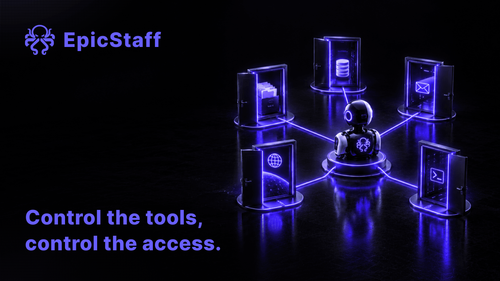
Every tool you give an agent is a door you leave open
Most teams can say what their AI agent is supposed to do. Far fewer can say what it is able to do, and the distance between those two answers is where the surprises come from.
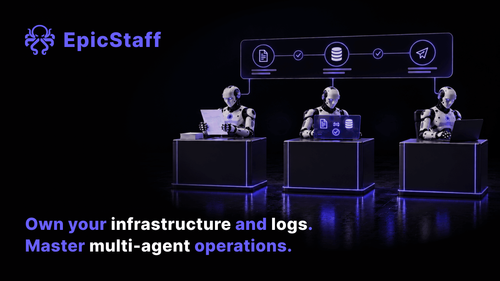
Multi-agent systems: when a second agent helps, and what it costs you to run
A multi-agent system splits one job across several AI agents that hand work to each other. The hard part is not the architecture, it is the operations: several agents produce several sets of decisions, and you still owe one account of what happened.
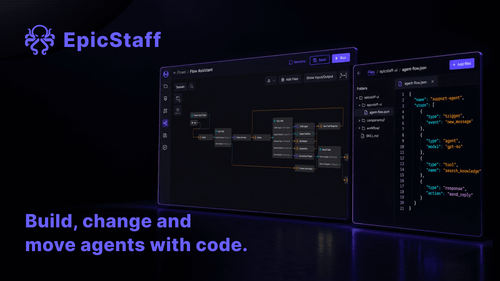
If your agents live only in a screen, you do not really own them
You can use an agent that lives only in an editor. But you do not really own it. For software, ownership means three plain things: you can read it, you can change it with your own tools, and you can take it somewhere else.
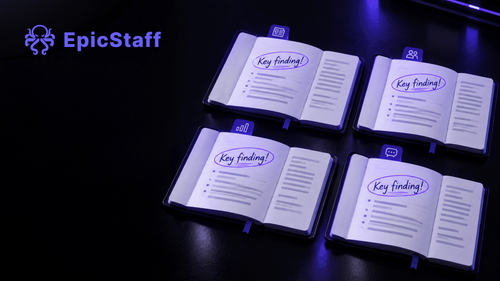
Your agents keep forgetting what the others already found
Each agent workflow keeps its own memory, so agents redo work or bring back old decisions. How to design what is shared, what is kept on purpose, and what should never carry over.
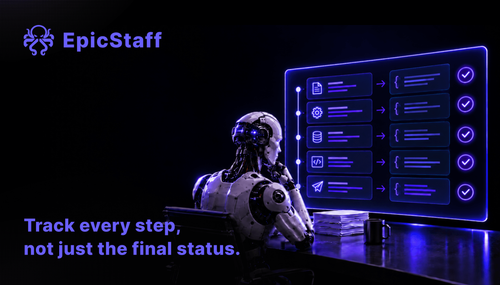
The agent finished. Nobody can say what it did.
The run ended, the screen turned green, and the work is not done. A status is a summary. A record is the evidence behind it — what a useful run record holds, who reads it, and what to ask any tool before you trust it.
Nobody noticed the agent was spending money
The agent did not crash, and it raised no error. It kept working all weekend, and the bill at the model provider kept growing until someone opened the invoice.
A green tick is not a finished job
Your automation ran last night, and every step shows a green tick. That tells you nothing failed loudly; it does not tell you that the report was written, the record was updated or the customer got the right answer.
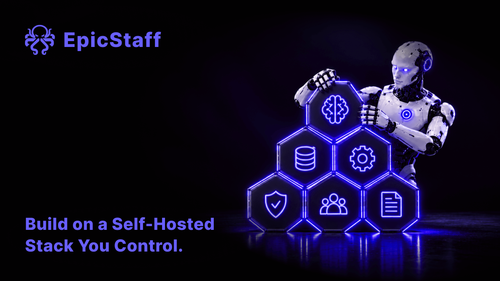
Self-hosted AI: how to own your AI stack
Self-hosted AI means running the models, the data they touch, and the automation around them on infrastructure you control. What the stack is actually made of, the two honest ways to own one, and what owning it has to include before the phrase means anything.